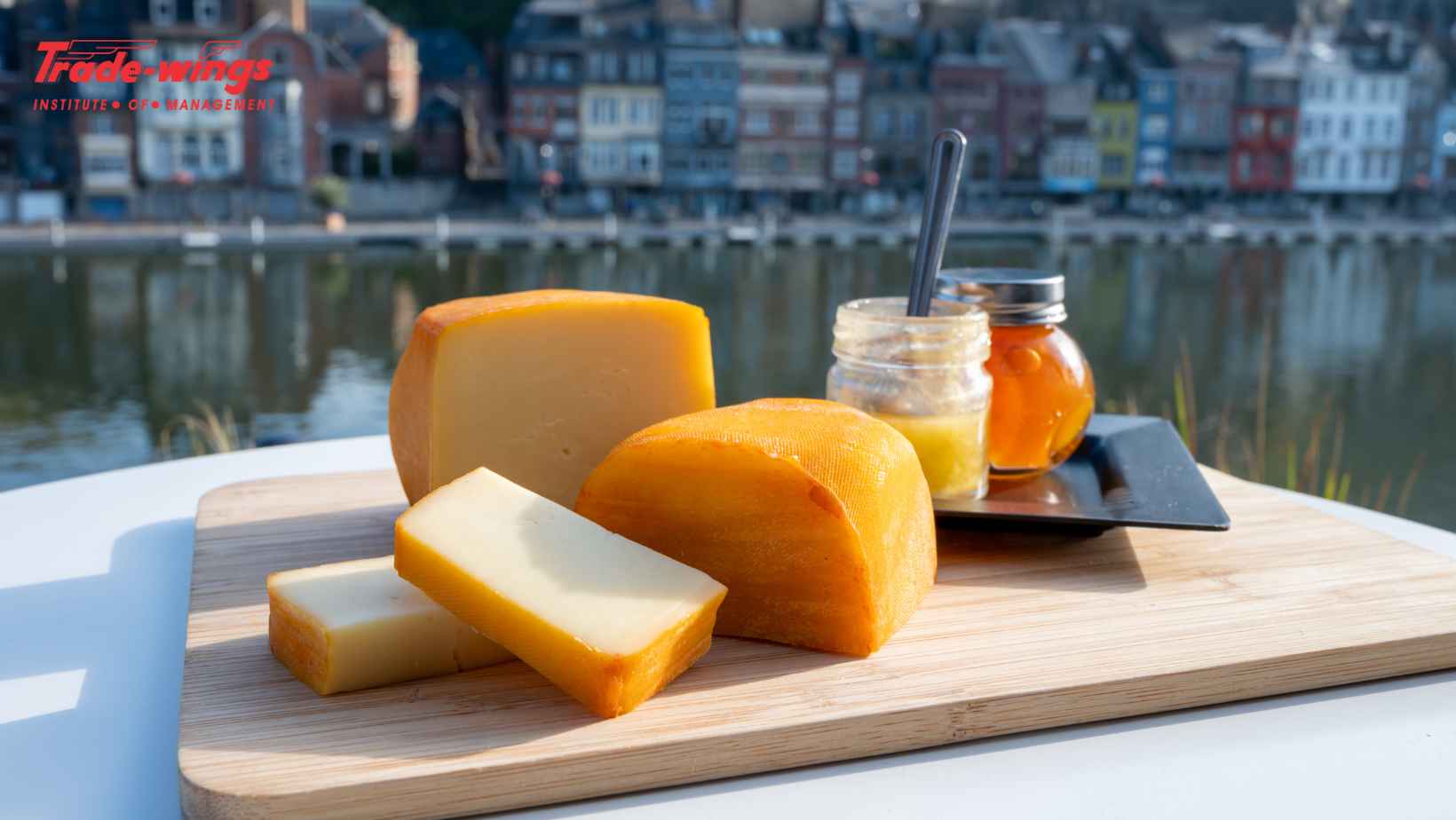
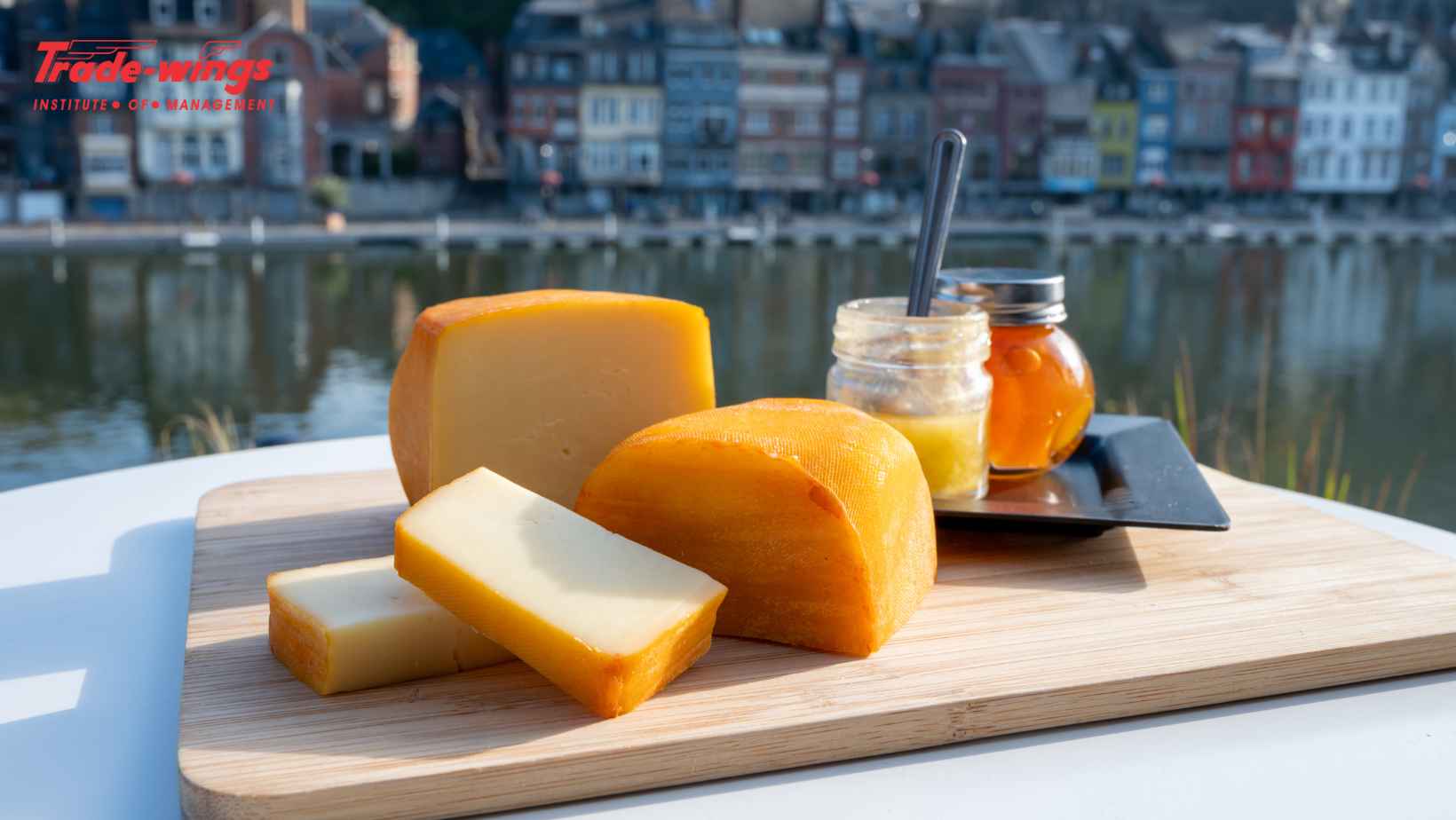
What if a piece of cheese could tell you the story of a place?
Its ingredients could reflect the local landscape.
Its production could reveal generations of tradition.
Its flavour could introduce travellers to an entire region.
That is the idea behind cheese tourism.
Cheese tourism brings together food, culture, agriculture, hospitality and travel to create immersive experiences around regional cheese traditions and local producers.
For travellers, it can mean visiting farms, discovering artisan cheesemakers, participating in tastings, exploring food markets or following a regional cheese trail.
For tourism professionals, it represents an opportunity to create highly specialised culinary experiences.
This is where cheese tourism courses become relevant.
An online cheese course can help learners understand the tourism potential of cheese, food trails, tasting experiences and regional culinary traditions—without requiring them to become professional cheesemakers.
What Is Cheese Tourism?
Cheese tourism is a form of culinary and experiential tourism centred around cheese, cheesemaking traditions, local producers, regional food culture and gastronomic experiences.
It can include experiences such as:
- Visiting artisan cheese producers
- Exploring farms and cheesemaking facilities
- Participating in cheese tastings
- Learning about regional cheese traditions
- Experiencing cheese and food pairings
- Visiting local food markets
- Following culinary trails
- Attending food and cheese festivals
- Meeting local producers
- Building food-focused travel itineraries
The experience goes beyond eating cheese.
It is about understanding the story, people, place and traditions behind the food.
Why Is Cheese Tourism Becoming Interesting for Travellers?
Modern travellers are increasingly interested in experiences that help them connect with a destination.
A landmark can tell you what a place looks like.
Food can tell you how a place lives.
Local food traditions can reveal:
- History
- Geography
- Agriculture
- Community traditions
- Local ingredients
- Craftsmanship
- Cultural identity
Cheese is particularly interesting because its characteristics can vary significantly depending on ingredients, production methods, maturation and regional traditions.
This makes cheese an excellent starting point for creating destination-based culinary experiences.
For the travel industry, that opens up opportunities to move beyond conventional sightseeing and create more specialised itineraries.
What Does a Cheese Tourism Experience Look Like?
Imagine a traveller visiting a rural destination.
Instead of simply sightseeing, their day could include:
Farm Visit → Cheesemaking Demonstration → Cheese Tasting → Local Lunch → Producer Interaction → Regional Food Market
Suddenly, the destination becomes an experience.
The traveller hasn't simply tasted cheese.
They have learned how it is produced, met the people behind it, understood the regional food culture and experienced the destination through its cuisine.
This is the difference between selling a food product and designing a food tourism experience.
Why Study Cheese Tourism Courses?
Cheese tourism sits at the intersection of several tourism sectors:
Culinary Tourism + Food & Beverage + Hospitality + Travel Planning + Experiential Tourism
A specialised course can help learners understand how these areas connect.
Trade Wings Institute of Management's Basic Course in Cheese Tourism introduces learners to regional cheese traditions, culinary tourism, cheese tasting experiences, food trails and planning gastronomic travel experiences.
This makes the subject relevant not only to food enthusiasts but also to people working in travel and hospitality.
What Can You Learn in a Cheese Tourism Course?
A good cheese tourism course should go beyond simply identifying different types of cheese.
The tourism perspective is about understanding how cheese becomes an experience.
1. Regional Cheese Traditions
Learn how cheese traditions can be connected to specific regions, communities and culinary cultures.
Understanding these connections helps tourism professionals create destination stories around food.
2. Cheese Tasting Experiences
Tasting can become an important part of a culinary itinerary.
The experience may introduce travellers to different varieties, flavours, textures and regional characteristics while making the activity educational and engaging.
3. Food Trails
Food trails can turn individual producers and food businesses into part of a larger tourism experience.
A cheese trail could connect:
Producer → Farm → Market → Restaurant → Local Attraction
This creates a complete itinerary rather than a single activity.
4. Gastronomic Travel Planning
Cheese can become one component of a larger culinary journey.
Tourism professionals can combine cheese experiences with:
- Local cuisine
- Wine tourism
- Farm visits
- Cultural attractions
- Rural tourism
- Boutique accommodation
- Cooking experiences
- Food festivals
This is where cheese tourism becomes particularly interesting from a travel-planning perspective.
5. Culinary Storytelling
Travellers remember stories.
A cheese isn't just a product when you understand:
- Where it comes from
- Who makes it
- How it is produced
- Why the region is known for it
- How locals traditionally consume it
Storytelling can transform a tasting into an experience.
Is an Online Cheese Course the Same as a Cheesemaking Course?
No.
This is an important distinction.
A cheesemaking course generally focuses on the technical process of producing cheese.
A cheese tourism course focuses on the tourism and experiential side of cheese.
| Cheesemaking Course | Cheese Tourism Course |
|---|
| Cheese production | Culinary travel |
| Ingredients and recipes | Regional food traditions |
| Production techniques | Tourism experiences |
| Technical cheesemaking | Food trails |
| Maturation processes | Gastronomic itinerary planning |
| Production environment | Visitor experiences |
Someone interested in tourism does not necessarily need to become a cheesemaker.
They may instead want to understand how cheese can become part of a travel experience.
Can You Study Cheese Tourism Online?
Yes.
An online cheese course can be particularly useful for learners who want flexibility while developing knowledge in a niche area of tourism.
Trade Wings Institute of Management offers its Cheese Tourism course online as part of its Lifestyle Tourism courses. The institute states that its Lifestyle Tourism courses are delivered through its online learning platform, with three months of course access and flexible, self-paced learning.
This can make specialised learning accessible to:
- Working professionals
- Tourism students
- Travel consultants
- Hospitality professionals
- Entrepreneurs
- Food enthusiasts
- Career switchers
You can build knowledge without having to attend a traditional classroom programme.
Is an Online Cheese Course Suitable for Beginners?
Yes, a beginner can explore cheese tourism without being a cheese industry professional.
The Academy of Cheese, for example, positions its beginner-level learning as open to people who simply want to develop their understanding of cheese, while its FAQ also distinguishes between cheese education and professional industry experience.
For a tourism learner, the important starting point isn't knowing every cheese variety in the world.
It is understanding the connection between:
Food → Place → Culture → Experience → Traveller
That foundation can then be developed through further learning and practical exposure.
Who Should Consider Cheese Tourism Courses?
Cheese tourism courses can be particularly relevant for people interested in culinary and experiential travel.
Tourism Students
If you're studying travel and tourism, cheese tourism can introduce you to a specialised tourism segment.
Travel Consultants
Understanding niche experiences can help travel consultants recommend more personalised itineraries.
Tour Planners
Cheese farms, artisan producers, markets and restaurants can become components of culinary itineraries.
Hospitality Professionals
Hotels, resorts and restaurants can use local food experiences to create memorable guest activities.
Food & Beverage Professionals
Cheese tourism provides a bridge between food knowledge and destination experiences.
Entrepreneurs
Food trails and culinary experiences can become potential niche tourism businesses.
Food Enthusiasts
If you're passionate about food and travel, an online cheese course can help turn that interest into structured tourism knowledge.
Trade Wings lists travel professionals, hospitality professionals, entrepreneurs, food enthusiasts and students among the audiences for its Lifestyle Tourism courses.
Cheese Tourism and Wine Tourism: A Natural Partnership
Cheese tourism doesn't have to exist on its own.
One of its most interesting possibilities is its relationship with wine tourism.
Cheese and wine can complement each other as part of a broader gastronomic travel experience.
A destination itinerary could include:
Vineyard Visit → Wine Tasting → Artisan Cheese Experience → Local Cuisine → Cultural Exploration
For tourism professionals, this creates the opportunity to design multi-experience itineraries instead of single-purpose tours.
This is also why specialised tourism knowledge can be valuable.
A professional who understands both wine tourism and cheese tourism can potentially create more integrated food-and-drink travel experiences.
Cheese Tourism in India: An Emerging Opportunity
India's culinary diversity provides enormous potential for food-focused tourism.
Different regions have their own food traditions, ingredients, dairy practices and local culinary identities.
Cheese tourism can potentially connect travellers with:
- Artisan producers
- Regional dairy traditions
- Farm-to-table experiences
- Local food markets
- Culinary festivals
- Boutique restaurants
- Rural destinations
Rather than treating food as something travellers simply consume, tourism professionals can make it part of the destination story.
For India, this can create opportunities to develop niche culinary experiences for both domestic and international travellers.
What Skills Can Cheese Tourism Courses Help Develop?
A specialised course can complement broader tourism skills by helping learners understand niche experience design.
Some useful areas include:
Destination Knowledge
Understanding why a particular food or cheese is associated with a destination.
Experience Design
Thinking beyond a single attraction and designing a complete visitor journey.
Culinary Storytelling
Communicating the history and cultural context behind regional food.
Itinerary Planning
Combining food experiences with accommodation, transportation and other attractions.
Customer Experience
Understanding what different travellers may expect from a culinary experience.
Niche Tourism Development
Recognising opportunities in specialised travel segments.
These skills can complement existing knowledge in travel, hospitality and tourism management.
Career Opportunities After a Cheese Tourism Course
Completing a cheese tourism course does not mean you are restricted to working specifically with cheese.
The knowledge can complement broader careers in tourism and hospitality.
Potential roles include:
Travel Consultant
Create specialised culinary and experiential travel recommendations.
Tour Planner
Develop food trails and gastronomic itineraries.
Destination Specialist
Build expertise around food-focused destinations.
Experience Curator
Design immersive food, farm and cultural experiences.
Hospitality Professional
Create culinary activities and guest experiences.
Tourism Entrepreneur
Develop niche food tourism products or experiences.
Travel Content Creator
Create destination stories around food, culture and culinary traditions.
Trade Wings identifies roles such as Travel Consultant, Tour Planner, Destination Specialist, Hospitality Professional, Experience Curator, Tourism Entrepreneur and Travel Content Creator as potential directions for learners with specialised tourism knowledge.
What Makes Cheese Tourism Different From Food Tourism?
Cheese tourism can be considered a specialised segment within culinary tourism.
Food tourism is broad.
It may include:
- Street food
- Restaurants
- Cooking classes
- Local markets
- Beverages
- Desserts
- Agricultural experiences
- Food festivals
Cheese tourism narrows the focus to the world surrounding cheese and its relationship with destinations.
That specialisation can make experiences more focused and distinctive.
Think of it as:
Food Tourism → Culinary Tourism → Cheese Tourism
Each level becomes more specialised.
Frequently Asked Questions About Cheese Tourism Courses
What are cheese tourism courses?
Cheese tourism courses teach learners how cheese, regional food traditions, tasting experiences and producers can become part of culinary and experiential tourism.
What is an online cheese course?
An online cheese course allows learners to study cheese-related subjects remotely. In the context of cheese tourism, the focus can be on culinary travel, food experiences, regional traditions and tourism planning rather than professional cheesemaking.
Do I need to be a cheesemaker to study cheese tourism?
No. Cheese tourism is a tourism specialisation. You can study how cheese experiences, producers and regional food traditions can be incorporated into travel without becoming a professional cheesemaker.
Who can enrol in a cheese tourism course?
Students, graduates, travel professionals, hospitality professionals, entrepreneurs and food enthusiasts can explore cheese tourism courses. Trade Wings states that its Lifestyle Tourism courses are suitable for students after 12th, graduates, professionals, entrepreneurs and food, wine and wellness enthusiasts.
Can I study cheese tourism online?
Yes. Trade Wings Institute of Management offers its Basic Course in Cheese Tourism through its online learning platform.
What will I learn in a cheese tourism course?
Topics can include regional cheese traditions, culinary tourism, cheese tasting experiences, food trails and planning gastronomic travel experiences.
Is cheese tourism part of culinary tourism?
Yes. Cheese tourism can be viewed as a specialised form of culinary tourism focused on cheese traditions, producers, tasting experiences and regional food culture.
Can cheese tourism be combined with wine tourism?
Absolutely. Cheese and wine experiences can be combined to create broader gastronomic travel itineraries involving vineyards, artisan producers, tastings, restaurants and regional cuisine.
Can cheese tourism become a career?
Cheese tourism knowledge can complement careers in travel consulting, tour planning, hospitality, destination management, experience curation and tourism entrepreneurship.
Do I need previous tourism experience?
Not necessarily. Trade Wings states that its Lifestyle Tourism courses are beginner-friendly and that no previous industry experience is required for most courses.
Why Learn Cheese Tourism Now?
Travel is becoming increasingly experience-driven.
People don't always want another standard sightseeing itinerary.
They want to:
Taste something local.
Meet someone local.
Learn something new.
Experience something authentic.
Cheese tourism fits naturally into this shift.
A farm can become an attraction.
A cheesemaker can become a storyteller.
A tasting can become an experience.
A local product can become a reason to travel.
And a food tradition can become a tourism opportunity.
For travel and hospitality professionals, learning how to identify and develop these experiences can be a valuable addition to their skill set.
Start Exploring the World of Cheese Tourism
You don't need to become a master cheesemaker to enter the world of cheese tourism.
You need curiosity about food, people, places and experiences.
A specialised cheese tourism course can help you understand how regional cheese traditions can be transformed into food trails, tasting experiences and memorable journeys.
And with an online cheese course, learning can fit around your existing studies, work or professional commitments.
Trade Wings Institute of Management's Basic Course in Cheese Tourism introduces learners to regional cheese traditions, culinary tourism, cheese tasting experiences, food trails and gastronomic travel planning.
Because sometimes, the best way to discover a destination isn't through its monuments—it's through what it tastes like.




Leave a comment