
Air Cargo Logistics Management: How Goods Move Across the World
Tue, 17 Nov 2026
This website uses cookies to personalize content and analyse traffic in order to offer you a better experience. Cookie policy
Follow the stories of academics and their research expeditions
But have you ever wondered what happens between the seller packing your order and the package reaching your home?
Your shipment may have travelled thousands of kilometres inside an aircraft, passed through security screening, undergone customs clearance and changed hands several times before reaching its final destination. Behind this seemingly simple delivery is an organised network of professionals, technology and transportation systems working together.
This entire process is an important part of Air Cargo Logistics Management, one of the most significant areas of the global aviation and logistics industry.
From smartphones and electronic components to life-saving medicines, fresh food and industrial equipment, air cargo helps businesses transport valuable and time-sensitive goods across international borders. It connects manufacturers, suppliers, freight forwarders, airlines and customers through a carefully coordinated supply chain.
For students interested in aviation, logistics and international trade, understanding how air cargo works can open up an interesting career pathway. Exploring the Basics Of Air Cargo Courses Online can help aspiring professionals understand cargo handling, freight documentation, airport logistics, security procedures and international transportation.
At Trade Wings Travel Institute, students can explore different aviation and travel-related learning opportunities to understand the many career possibilities within the industry.
Let's take a closer look at how air cargo logistics works, how goods travel across the world and what happens behind the scenes before a shipment reaches its destination.
Air Cargo Logistics Management refers to the planning, coordination, transportation, handling, security and tracking of goods transported through aircraft.
Unlike passenger travel, where the primary responsibility is moving people safely, air cargo operations focus on ensuring that goods are packed correctly, documented properly, screened securely and delivered according to the required schedule.
For example, a pharmaceutical company may need to transport temperature-sensitive medicines to another country. An electronics manufacturer may need to deliver components quickly to prevent production delays. Similarly, fashion brands may depend on air freight to transport new collections to international stores before a product launch.
Each shipment has different requirements, and air cargo logistics ensures that the right goods reach the right destination at the right time.
The process involves several stakeholders, including shippers, freight forwarders, airlines, airport ground handling teams, customs authorities and delivery partners.
Together, they form a global transportation network that supports international trade and business operations.
Every air cargo shipment has a journey of its own. While customers usually see only the booking confirmation and final delivery, several important activities take place behind the scenes.
Let's understand the process step by step.
The journey starts with the shipper, also known as the consignor. This is the individual or business sending the goods.
Before a shipment can travel, products must be packed appropriately, labelled and accompanied by the necessary paperwork, including commercial invoices and other relevant documents.
Packaging is particularly important because different goods require different handling conditions. Fragile electronic equipment needs protective packaging, while pharmaceutical products may require specialised temperature-controlled packaging.
At this stage, a freight forwarder becomes an important part of the process.
A freight forwarder helps organise the shipment's journey, selects a suitable route, books cargo space with an airline and coordinates the required documentation.
In simple terms, freight forwarders help businesses manage the transportation of goods from the sender to the receiver.
Once the shipment is prepared, the freight forwarder coordinates with the airline or cargo carrier to book space on an aircraft.
The shipment details are shared through an Air Waybill (AWB), which is an important transport document containing information about the sender, receiver and transportation arrangements.
Electronic Air Waybills, commonly known as e-AWBs, allow relevant shipment information to be exchanged electronically.
When the cargo reaches the airport, ground handling teams check whether it meets the required transportation conditions.
They verify the paperwork, inspect the shipment and ensure that it is ready for carriage.
A shipment cannot simply be placed on an aircraft without completing the necessary acceptance procedures.
Before goods are allowed onto an aircraft, they undergo the required security screening.
This is an essential part of air cargo logistics because it helps protect aircraft, airport facilities, passengers and cargo.
Depending on the shipment and applicable security requirements, screening may involve X-ray machines, explosive trace detection or physical inspections.
International aviation security standards, including ICAO Annex 17, provide the framework for protecting civil aviation against unlawful interference.
After screening, shipments may be arranged into special aviation containers or placed on pallets known as Unit Load Devices (ULDs).
These are specially designed to fit aircraft cargo compartments and help ground teams handle multiple shipments efficiently.
Imagine hundreds of packages travelling together on a single flight. ULDs make it easier to organise, secure and load those shipments while making effective use of available aircraft space.
International shipments must also pass through export customs procedures.
Customs authorities require information about the goods being transported, their origin, destination and relevant commercial details.
Depending on the applicable international trade and security requirements, advance cargo information may also need to be submitted to border authorities before loading.
One example is Pre-Loading Advance Cargo Information (PLACI), which supports security risk assessment before cargo leaves its country of origin.
Once the required checks and export formalities are completed, the shipment can move towards the aircraft loading area.
This stage is particularly important because incomplete documentation or customs-related issues can delay the entire shipment.
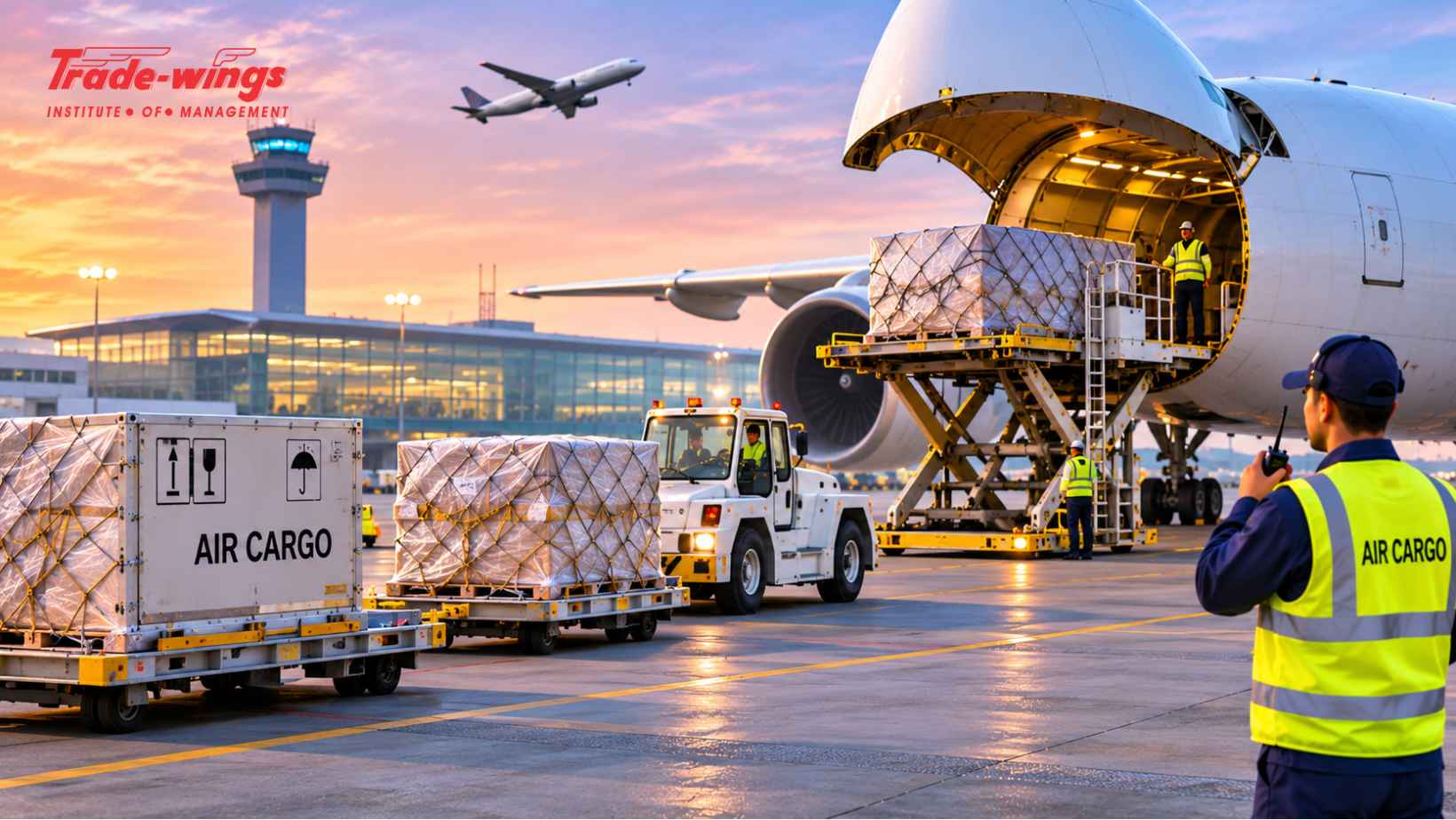
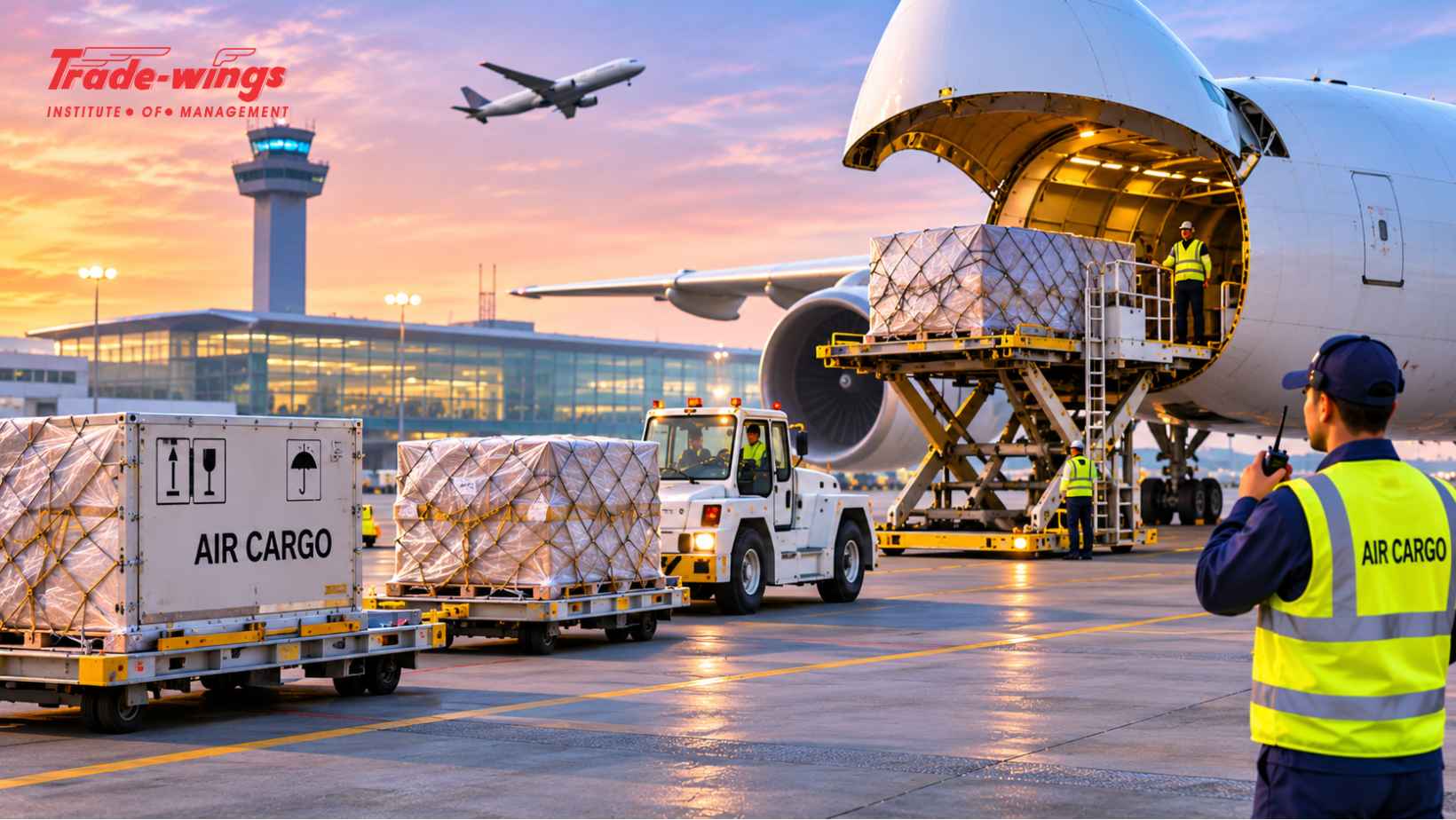
Now comes the part most people imagine when they think about air cargo: the aircraft.
Goods can travel in dedicated cargo aircraft, also known as freighters, or in the cargo compartments located beneath the passenger cabin of regular commercial flights. These compartments are commonly called belly holds.
However, loading an aircraft is not as simple as filling every available space with packages.
A detailed load plan must consider the aircraft's weight limits and weight distribution. Cargo must be positioned correctly to maintain balance and ensure safe operations.
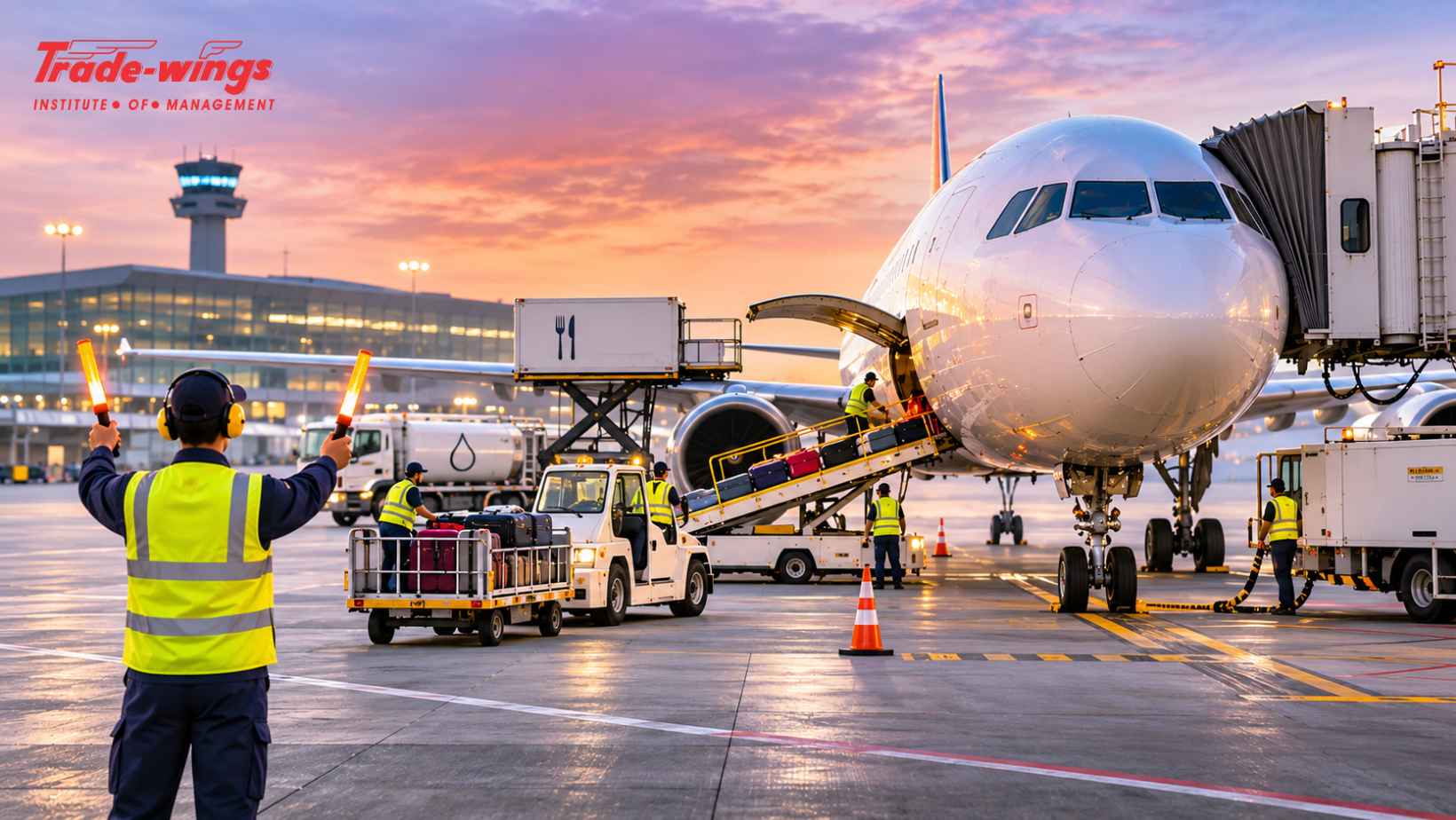
Specialised equipment and trained ground handling teams help move and position shipments inside the aircraft.
Once loading is completed and all departure requirements are met, the aircraft is ready for take-off.
The shipment is now on its way to another airport, and often another country.
Landing at the destination airport does not mean the shipment is immediately ready for delivery.
Once the aircraft arrives, cargo is unloaded and transferred to the import handling area, commonly known as the import shed.
The shipment then undergoes the required import customs procedures.
Authorities verify the documents, assess applicable duties and taxes and complete other checks wherever necessary.
After customs clearance, the goods are handed over to the receiving freight forwarder, delivery partner or final-mile logistics network.
From there, the package continues its journey by road until it reaches the consignee, who is the final receiver.
And that is how the smartphone you ordered from another country, or the medicines your local pharmacy needs, can travel across the world and reach you.
Behind every successful shipment is a network of professionals and organisations working together.
The shipper prepares and sends the goods, while the consignee receives them at the destination. Freight forwarders coordinate transportation, documentation and logistics across different locations.
Airlines operate the aircraft and manage cargo transportation, while global logistics companies and integrators such as DHL, FedEx and UPS offer extensive transportation and delivery networks.
Ground Handling Agents manage the physical movement of cargo at airports. Their responsibilities may include warehouse handling, shipment acceptance, ULD preparation and moving cargo to and from aircraft.
Customs authorities ensure that shipments comply with applicable import and export regulations.
Industry organisations also play an important role. The International Air Transport Association (IATA) develops industry standards and guidance that support efficient air cargo operations. The International Civil Aviation Organization (ICAO) establishes international aviation standards and recommended practices, including those related to aviation safety and security.
Although customers may never meet these professionals, their coordination makes international deliveries possible.
In a world where businesses and customers expect products to arrive quickly, air cargo offers one major advantage: speed.
It is particularly valuable for industries where even a short delay can have serious consequences.
Consider a hospital waiting for an urgent shipment of medicines or vaccines. A manufacturing company may need electronic components to keep its production line running. A fashion brand may need to transport a new collection in time for an international launch.
In such situations, air freight can help businesses meet demanding delivery schedules.
Air cargo also supports just-in-time manufacturing, where companies receive materials and components close to the time they are needed instead of storing large quantities in advance.
Another advantage is that air freight can involve fewer handling and transfer points than some longer shipping routes. This can reduce exposure to certain handling risks and help avoid delays associated with congested seaports.
However, air cargo is not automatically suitable for every product. Transportation costs, shipment size, handling requirements and environmental considerations influence the choice of transportation.
Air cargo is used to transport different categories of goods depending on their value, urgency, size and handling requirements.
Pharmaceuticals and Medical Supplies: Medicines, vaccines, medical equipment and other healthcare products often require timely transportation. Certain products also need temperature-controlled handling throughout the journey.
Electronics and Technology Products: Smartphones, computers, electronic components and specialised equipment are frequently transported through air freight because of their value and delivery requirements.
Perishable Goods: Fresh flowers, seafood, fruits and certain food products may be transported by air to preserve quality and reach markets within shorter timeframes.
Fashion and Luxury Products: Clothing collections, accessories, jewellery and other valuable products may depend on air cargo for international distribution and time-sensitive launches.
Industrial Equipment and Spare Parts: Manufacturing companies sometimes use air freight to transport urgent components and machinery parts to avoid production interruptions.
Each category requires suitable packaging, documentation and handling procedures to ensure safe transportation.
Air cargo logistics is a coordination-intensive field. Professionals working in this area must understand documentation, transportation procedures, cargo handling and communication between different stakeholders.
Attention to detail is particularly important because shipment information, cargo labels and documentation must be accurate.
Communication skills are equally valuable. Air cargo professionals regularly coordinate with freight forwarders, airline teams, customs authorities, warehouse personnel and delivery partners.
Knowledge of logistics operations, basic computer applications, shipment tracking and international transportation procedures can also be useful.
Problem-solving and time management are important because cargo operations often work within strict transportation schedules.
Students interested in this field can benefit from learning the fundamentals of aviation logistics and understanding how different departments work together.
Air cargo logistics is not limited to pilots or airport ground staff. It offers career opportunities in freight forwarding, cargo operations, warehouse management, airline logistics, customs coordination, documentation and supply chain management.
For students interested in aviation and logistics, exploring the Basics Of Air Cargo Courses Online can be a useful starting point.
Online learning opportunities can introduce students to important concepts such as cargo documentation, air freight procedures, shipment handling, airport logistics and international transportation.
A structured learning programme can help learners understand the different stages of cargo movement and the responsibilities of professionals working within the industry.
At Trade Wings Travel Institute, students interested in aviation and travel education can also explore other specialised learning pathways.
Students interested in the movement of goods across international destinations can explore Air Cargo Logistics Management as a specialised area of aviation learning.
Understanding cargo documentation, freight forwarding, shipment handling, airport cargo operations and international logistics can help learners develop foundational knowledge of this industry.
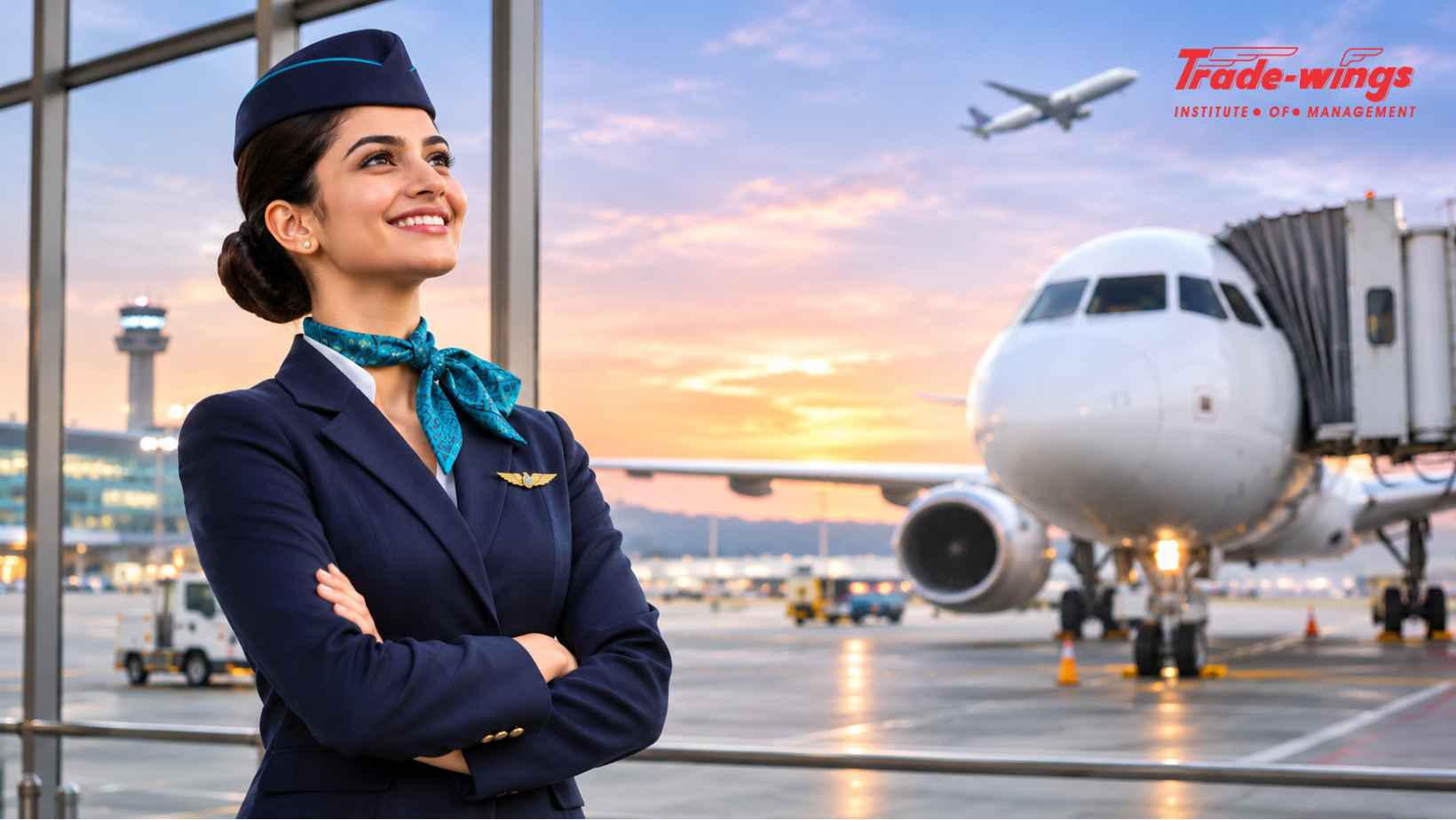
For students interested in the passenger-facing side of aviation, Cabin Crew Courses offer another learning pathway.
These programmes introduce learners to cabin crew responsibilities, passenger handling, aviation fundamentals, communication and onboard service.
Although cabin crew and air cargo operations involve different responsibilities, both contribute to the functioning of the aviation industry.
Aviation is also connected to the wider travel and tourism industry. Students interested in specialised tourism experiences can explore Wine Tourism Courses.
Wine tourism introduces learners to vineyard experiences, wine destinations, hospitality and tourism-related activities.
It provides an alternative learning pathway for individuals interested in travel, hospitality and experiential tourism rather than cargo logistics.
Before enrolling in any programme, students should review the curriculum, eligibility criteria, learning format and practical exposure to understand whether it aligns with their career interests.
With relevant knowledge, qualifications and experience, individuals can explore different roles across the cargo and logistics sector.
Some potential career opportunities include:
Air Cargo Operations Executive: Supports cargo movement, shipment coordination and airport cargo operations.
Cargo Handling Executive: Assists with shipment acceptance, cargo movement, loading and unloading procedures.
Freight Forwarding Executive: Coordinates transportation arrangements, shipment documentation and communication between different logistics partners.
Air Cargo Documentation Executive: Supports the preparation and verification of cargo-related transportation documents.
Warehouse Operations Executive: Assists with cargo storage, inventory coordination, shipment segregation and warehouse activities.
Logistics Coordinator: Helps coordinate transportation schedules, shipment tracking and communication between relevant stakeholders.
Specific eligibility and job responsibilities vary depending on the employer, experience and qualifications required.
The global logistics industry continues to evolve as businesses become increasingly connected through international trade and e-commerce.
Digital documentation, shipment tracking systems, warehouse automation and improved cargo-handling technologies are changing the way air freight operations are managed.
Businesses increasingly depend on accurate shipment information and efficient coordination to manage international supply chains.
For aspiring professionals, understanding both the operational and technological aspects of air cargo can be valuable.
Learning the basics of air cargo management, documentation, freight forwarding and airport operations can help students understand the opportunities available within this growing area of aviation.
The next time you order something from another country, look beyond the tracking notification.
Your package may have travelled through warehouses, security screening facilities, customs departments and international airports before arriving at your doorstep.
What looks like a simple delivery is actually the result of careful planning, advanced technology and hundreds of people working together across borders.
Air Cargo Logistics Management makes this movement possible. It connects businesses, supports essential industries and brings the world a little closer.
For students interested in exploring aviation and logistics, learning about air cargo operations can be an exciting starting point.
Explore aviation and travel learning opportunities at Trade Wings Travel Institute, including programmes related to air cargo, cabin crew and wine tourism.
Because sometimes, the distance between a product made in one country and a customer waiting in another is thousands of kilometres. And air cargo is what helps bridge that distance.
Air Cargo Logistics Management involves planning, coordinating, handling, transporting and tracking goods moved through aircraft. It includes shipment preparation, cargo booking, security screening, customs documentation, aircraft loading and final delivery.
Basics Of Air Cargo Courses Online refers to introductory learning programmes that help students understand air freight operations, cargo documentation, shipment handling, airport logistics and international cargo transportation.
These courses can help aspiring professionals understand how goods move between countries through the aviation network.
Air cargo transportation generally begins with shipment preparation and packaging. The cargo is then booked with an airline, accepted at the airport, screened for security, processed through the required customs procedures and loaded onto an aircraft. At the destination, it undergoes import clearance before being transferred for final delivery.
The terms air cargo and air freight are often used interchangeably to describe goods transported by aircraft.
Air cargo generally refers to the goods being transported, while air freight can also refer to the transportation service or commercial process involved in moving those goods.
An Air Waybill (AWB) is an important transportation document containing information about a shipment, including the shipper, consignee and transportation details. It supports communication and coordination between the parties involved in air cargo transportation.
A freight forwarder is a logistics service provider that helps organise the transportation of goods. Responsibilities may include booking cargo space with airlines, coordinating shipment documentation, selecting transportation routes and communicating with different logistics partners.
A Unit Load Device is a specially designed aviation container or pallet used to group and transport cargo and baggage. ULDs help ground handling teams organise shipments and make efficient use of available aircraft cargo space.
Security screening helps ensure that cargo transported through aircraft complies with applicable aviation security requirements. Depending on the shipment and relevant regulations, screening may involve X-ray inspection, explosive trace detection and other approved procedures.
Air cargo commonly transports pharmaceuticals, medical supplies, electronics, industrial components, fresh flowers, seafood, fashion products, luxury goods and other valuable or time-sensitive shipments.
Individuals with relevant training and experience can explore opportunities such as Air Cargo Operations Executive, Cargo Handling Executive, Freight Forwarding Executive, Cargo Documentation Executive, Warehouse Operations Executive and Logistics Coordinator.
Yes. Students can explore introductory online learning programmes covering air cargo fundamentals, freight documentation, cargo handling, airport logistics and international transportation.
Before enrolling, it is advisable to review the programme syllabus, training format, practical exposure and course recognition.
Air cargo management focuses on transporting goods through aircraft, including shipment documentation, cargo handling, freight forwarding and logistics coordination.
Cabin crew operations focus on passenger safety, onboard service, communication and passenger assistance during flights.
Both are important areas of the aviation industry but require different knowledge and professional skills.
Trade Wings Travel Institute offers learning opportunities across aviation, travel and tourism.
Students can explore different programmes, including:
Air Cargo Logistics Management: For learners interested in understanding cargo handling, freight operations and international transportation.
Cabin Crew Courses: For aspiring aviation professionals interested in passenger safety and onboard services.
Wine Tourism Courses: For learners interested in vineyard tourism, hospitality and specialised travel experiences.
Students should review the individual course details and eligibility requirements before choosing a programme.
Air cargo logistics can be a suitable career pathway for individuals interested in aviation, transportation, international trade and supply chain operations. It offers opportunities across airlines, freight forwarding companies, cargo handling agencies, logistics providers and airport operations.
Career opportunities depend on qualifications, relevant skills, experience and employer requirements.
Students interested in aviation, cargo logistics and travel education can explore the programmes available at Trade Wings Travel Institute.
Visit: https://tradewingstravelinstitute.com/ to learn more about aviation, travel and hospitality courses.
Interested in understanding how goods travel across the world or exploring a career in aviation?
Discover relevant learning opportunities at Trade Wings Travel Institute and explore courses that match your professional interests.
Tue, 17 Nov 2026
Tue, 10 Nov 2026

Leave a comment