Course description
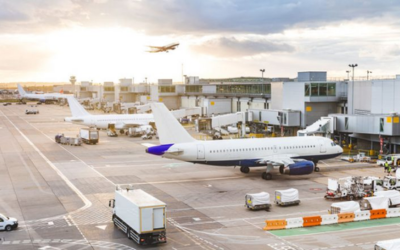
An airport is much more than terminals, check-in counters and runways. Behind every arrival and departure is a network of teams, facilities and services working together to keep passengers, aircraft and airport activities moving safely.
The advanced course in airport operations by Trade Wings Institute of Management gives learners a structured understanding of how an airport functions as an operational unit.
From Air Traffic Control and airport security to runways, taxiways, terminals and meteorological services, the course is designed for students who want to understand what really happens behind the scenes at an airport.
What Will You Learn in the Advanced Course in Airport Operations?
This course introduces learners to both the physical infrastructure of an airport and the services that support everyday aviation operations.
You will learn about:
- Introduction to airports and their functions
- Different types of airports
- Evolution and development of airports
- Air Traffic Control (ATC) services
- Career opportunities at airports
- Future developments in airport operations
- Environmental concerns associated with airports
- Airport ownership
- Firefighting and rescue services
- Airport security
- Airport certification
- Meteorological services
- Airport markings and signs
- Runways and taxiways
- Airport apron areas
- Airport terminals
- Landside infrastructure
Together, these subjects provide a wider understanding of how different areas of an airport connect and contribute to safe and efficient operations.
Understand How an Airport Works
Think about a single departing flight.
Passengers move through the terminal, baggage is processed, aircraft use designated apron areas, pilots coordinate with Air Traffic Control, weather conditions are monitored, and airport security remains active throughout the journey.
Each function is different, yet all of them are connected.
The Advanced course in airport operations helps learners understand these connections and see an airport from an operational perspective rather than only from a traveller’s point of view.
Who Should Take This Airport Ground Staff Course?
This course is suitable for:
- Students interested in airport and aviation careers
- Candidates aspiring to work as airport ground staff
- Travel and tourism students
- Learners exploring airport management and operations
- Professionals looking to improve their understanding of airport functions
- Anyone interested in understanding how modern airports operate
For students searching for an Airport Ground Staff Course, this program can provide foundational knowledge about the environment, infrastructure and services they may encounter while working at an airport.
What Career Areas Can Airport Operations Knowledge Support?
Airports bring together professionals from several operational and passenger-service departments.
Knowledge gained through an Airport Ground Staff Course can be relevant when exploring areas such as:
Airport Ground Services: Supporting various passenger and operational activities within the airport environment.
Terminal Operations: Understanding passenger movement, airport facilities and activities within terminal areas.
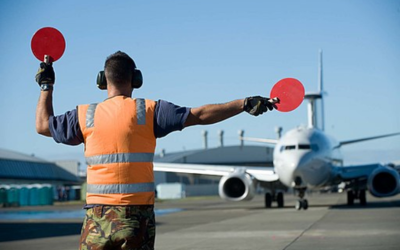
Airside Operations: Working around operational areas such as aprons, taxiways and other aircraft movement zones.
Airport Safety & Security: Understanding the importance of security, emergency response and established airport procedures.
Passenger Services: Supporting passengers throughout different stages of their airport journey.
Actual job requirements vary by airport, airline and employer, but understanding airport operations can give aspiring professionals a stronger foundation before pursuing role-specific opportunities.
Explore Airport Operations Beyond the Terminal
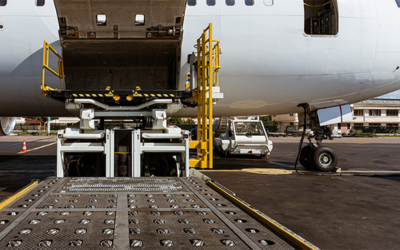
Students interested in the activities taking place closer to an aircraft can complement their learning with an Airport Ramp Operations Course. Ramp operations introduce learners to ground-level activities such as aircraft servicing, catering, fuelling, cleaning and airside coordination.
Another specialised area is Baggage Handling, where learners can understand how passenger baggage moves through different stages of the airport and airline system.
Exploring these specialised subjects alongside broader airport operations can help learners understand how different ground departments contribute to the same flight journey.
Why Choose Trade Wings Institute of Management?
The Advanced Course in Airport Operations is structured to help learners understand an airport as a complete ecosystem rather than focusing on only one department.
With this online course, you can:
- Develop a broader understanding of airport operations
- Learn about both airside and landside infrastructure
- Understand essential airport safety and security concepts
- Explore ATC and meteorological services
- Learn about airport career areas
- Study online at your convenience
- Test your knowledge through chapter-wise quizzes
- Earn a certificate after successful completion
Course Highlights
Mode: Online
Language: English
Chapters: 17
Quizzes: 16
Course Access: 3 Months
Certificate: Yes
Frequently Asked Questions
What is an Advanced Course in Airport Operations?
An Advanced Course in Airport Operations helps learners understand the different functions, infrastructure and services involved in running an airport, including terminals, runways, ATC, security, meteorological services and airside areas.
Is this course suitable for aspiring airport ground staff?
Yes. Students looking for an Airport Ground Staff Course can use this program to develop foundational knowledge about airport functions and the environment in which different ground teams operate.
What subjects are covered in this airport operations course?
The curriculum covers airport types, ATC services, airport security, firefighting and rescue, meteorological services, runways, taxiways, apron areas, airport terminals, landside infrastructure and other important topics.
Does this course cover Air Traffic Control?
Yes. Air Traffic Control (ATC) Services is included as one of the course modules.
What can I study after learning airport operations?
You can explore specialised areas depending on your career interests. For example, an Airport Ramp Operations Course can deepen your understanding of aircraft ground activities, while a Baggage Handling Course can introduce you to another important part of airport ground operations.
Is the Advanced Course in Airport Operations available online?
Yes. The course is offered online, with three months of access to complete the learning modules and assessments.
Build Your Understanding of Modern Airport Operations
Every airport operates through the coordination of people, infrastructure, technology and safety systems.
The Advanced Course in Airport Operations from Trade Wings Institute of Management helps you understand these moving parts and build industry-relevant knowledge for a future in aviation.
Enrol today and start exploring the world behind airport operations.