Course description
Baggage Handling Course for Airport Operations
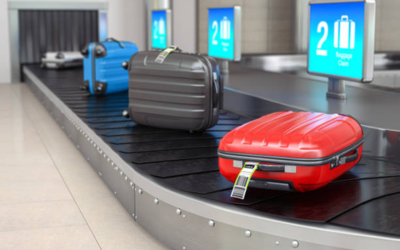
You check in your suitcase at one airport—and hours later, it appears on a baggage belt hundreds or even thousands of kilometres away. Sometimes, it even changes flights along the way.
What happens to your bag in between?
The Baggage Handling Course by Trade Wings Institute of Management takes learners behind the scenes of this important airport operation. From baggage allowances and airline rules to baggage security, tracking and handling irregularities, the course helps you understand the journey of passenger baggage from an aviation professional’s perspective.
What Will You Learn in the Baggage Handling Course?
Baggage handling involves rules, systems and coordination at different stages of a passenger’s journey.
The course covers:
- Fundamentals of airline baggage
- Free baggage allowance
- Checked baggage procedures
- Excess baggage
- Cabin baggage
- Airline baggage rules
- Unaccompanied baggage
- Lost, damaged and delayed baggage
- Baggage security
- Basics of baggage handling operations
- Baggage tracking
Together, these topics help learners understand both the passenger-facing rules and the operational processes involved in managing baggage.
From Check-In to Baggage Claim: How Does Baggage Handling Work?
For passengers, the baggage journey appears simple: check in a bag and collect it after landing.
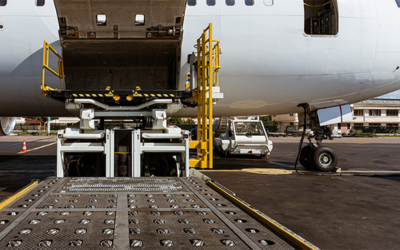
Behind the scenes, however, baggage needs to be identified, processed, transferred, loaded, unloaded and directed towards the correct destination. Connecting journeys can make this process even more important because baggage may need to move between flights.
A baggage handling course helps learners understand these processes as well as situations where baggage is delayed, damaged or lost.
The course also introduces baggage tracking, an important part of understanding how airlines and airport teams manage passenger baggage throughout its journey.
Who Should Take This Baggage Handling Course?
This course can be useful for:
- Students interested in airport careers
- Aspiring airport ground staff
- Learners interested in ground handling operations
- Travel and tourism students
- Airline and airport service professionals
- Candidates exploring passenger service roles
- Frequent travellers who want to understand airline baggage processes
It is particularly relevant for learners interested in the operational side of airports and the work that takes place after passengers hand over their checked baggage.
Why Is Baggage Knowledge Important for Airport Professionals?
Baggage is closely connected to both passenger service and airport operations.
Airport professionals may encounter questions about baggage allowances, excess baggage, cabin baggage restrictions or delayed luggage. Ground handling teams, meanwhile, need to understand the operational processes involved in moving baggage safely and efficiently.
Learning about baggage security and tracking also gives students a wider understanding of how airlines manage baggage-related responsibilities.
This makes baggage knowledge useful for learners preparing for careers in airport ground services, passenger handling, airline services and ground operations.
What Happens When Baggage Doesn't Arrive?
Lost, delayed or damaged baggage can quickly turn a smooth journey into a stressful experience for a passenger.
Understanding baggage irregularities is therefore an important part of airline and airport service.
This course introduces learners to lost, damaged and delayed baggage, helping them understand the situations that can occur during baggage transportation. It also covers baggage tracking, giving learners useful context around how baggage movement is monitored.
Connect Baggage Handling with Other Aviation Skills
Baggage operations are only one part of a passenger’s complete journey.
Learners interested in onboard passenger service can explore online cabin crew courses to understand cabin crew responsibilities, customer service, safety and the professional requirements of working onboard an aircraft.
Students can also complement their ground operations knowledge with the Understanding Civil Aircrafts course, which introduces aircraft types, cabin layouts, configurations and other features of commercial aircraft.
Together, these specialised subjects can help learners see how different roles and operations connect throughout the aviation journey.
Why Choose Trade Wings Institute of Management?
The course is designed to make baggage operations easier to understand for students and aspiring aviation professionals.
Learners can:
- Understand airline baggage rules and terminology
- Learn about different categories of passenger baggage
- Explore practical baggage handling processes
- Understand baggage security and tracking
- Learn how baggage irregularities are handled
- Study online at their convenience
- Test their knowledge through quizzes
- Earn a certificate after successful completion
Course Highlights
Mode: Online
Language: English
Chapters: 12
Quizzes: 11
Course Access: 3 Months
Certificate: Yes
Frequently Asked Questions
What is a baggage handling course?
A baggage handling course teaches learners about airline baggage rules, baggage allowances, checked and cabin baggage, excess baggage, security, tracking and the operational processes involved in handling passenger baggage.
Who should enrol in a baggage handling course?
The course can be useful for aspiring airport ground staff, aviation students, travel and tourism students and learners interested in airport or airline ground operations.
What is the difference between checked baggage and cabin baggage?
Checked baggage is handed over to the airline during check-in and transported separately, while cabin baggage remains with the passenger onboard, subject to the airline’s applicable baggage rules.
Does the course cover lost and delayed baggage?
Yes. The curriculum includes lost, damaged and delayed baggage as well as baggage tracking.
Does this baggage handling course cover baggage security?
Yes. Baggage security is one of the topics included in the course curriculum.
What other aviation courses can complement baggage handling?
Learners interested in passenger-facing airline careers can explore Cabin Crew Courses, while Understanding Civil Aircrafts can help develop knowledge of commercial aircraft, cabin layouts and aircraft configurations.
Discover the Journey Behind Every Checked Bag
Every piece of checked baggage has a journey of its own—and managing that journey requires systems, rules and coordination.
The Baggage Handling Course from Trade Wings Institute of Management helps you understand what happens between airport check-in and baggage claim while building practical knowledge relevant to airport and airline operations.
Enrol today and start understanding one of the most important behind-the-scenes functions of air travel.