Course description
In Flight Service Training Course
In-Flight Service Training Course for Cabin Crew (Online)
A passenger may remember a warm welcome, a comfortable journey or a well-served meal. Behind these seemingly simple moments are carefully planned procedures that cabin crew follow throughout a flight.
The In Flight Service Training course by Trade Wings Institute of Management introduces aspiring cabin crew professionals to the different services delivered onboard an aircraft—from preparing the cabin before boarding to passenger assistance, food and beverage service, safety procedures and deplaning.
The course helps learners understand what quality in-flight service looks like and how cabin crew contribute to a safe, comfortable and professional passenger experience.
What Will You Learn in In Flight Service Training?
In-flight service begins even before the first passenger enters the aircraft.
Through this course, learners explore:
- Evolution of onboard airline services
- Aircraft cabin layouts
- Galley preparation
- Cabin comfort services
- Pre-boarding cabin preparation
- Boarding and deplaning services
- In-flight announcements
- Passenger services
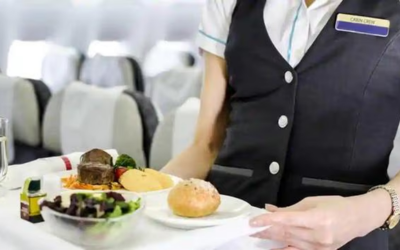
- Food and beverage services
- In-flight entertainment and connectivity
- Standard safety services
- Emergency services
- Common in-flight terminology
These topics give aspiring cabin crew a clearer understanding of the service journey from cabin preparation to passenger arrival.
What Does In-Flight Service Actually Involve?
Good cabin service is not limited to serving meals and beverages.
Cabin crew need to prepare for passengers before boarding begins, assist travellers during different stages of the flight, communicate important information, maintain service standards and respond appropriately to passenger needs.
At the same time, safety remains an essential part of the role.
This is why in flight service training combines passenger service with subjects such as standard safety procedures and emergency services. It helps learners understand the balance between hospitality and responsibility that defines professional cabin service.
From Boarding to Deplaning: Understanding the Passenger Journey
Every stage of a flight creates a different service requirement.
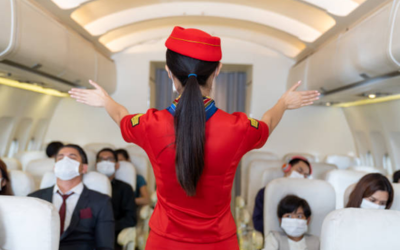
Before boarding, the cabin needs to be prepared. During boarding, passengers may require assistance with seating and settling in. Once airborne, cabin crew manage announcements, comfort, food and beverage services and other passenger requirements.
As the aircraft prepares to land, the service priorities change again.
Understanding this complete journey helps learners see in-flight service as a coordinated process rather than a collection of individual tasks.
Who Should Take This In Flight Service Training Course?
This course can be useful for:
- Aspiring cabin crew and flight attendants
- Students interested in airline careers
- Learners preparing for cabin crew training
- Travel and tourism students
- Aviation students interested in passenger services
- Hospitality professionals exploring airline careers
- Anyone interested in understanding onboard airline services
It is particularly relevant for learners who want to explore the service-oriented side of a cabin crew career.
Why Are Passenger Service Skills Important for Cabin Crew?
Passengers on the same flight can have very different needs.
Some may be frequent flyers, while others may be travelling by air for the first time. Families, elderly travellers and passengers requiring assistance may also need different levels of support.
Cabin crew therefore need a combination of communication, attentiveness, professionalism and service awareness.
Learning about passenger services, cabin comfort, announcements and onboard F&B gives aspiring crew members a better understanding of how these responsibilities come together during a flight.
Connect In-Flight Services with Aircraft and Ground Operations
Understanding the aircraft itself can make onboard service concepts easier to relate to. The understanding civil aircrafts course can complement this training by introducing learners to aircraft cabin layouts, configurations, galleys and other features of commercial aircraft.
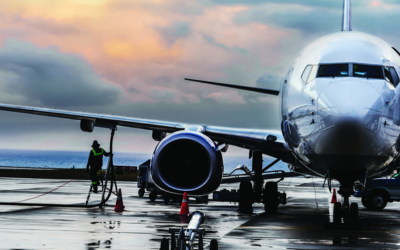
The passenger experience also begins well before take-off. Learners interested in what happens around an aircraft while it is on the ground can explore airport ramp operations, including activities such as aircraft servicing, catering, cleaning, fuelling and ground coordination.
Together, these areas provide a wider view of how onboard and ground teams contribute to a smooth flight journey.
Why Choose Trade Wings Institute of Management?
This course focuses specifically on the services and procedures cabin crew encounter onboard an aircraft.
Learners can:
- Understand the complete in-flight service cycle
- Learn about cabin and galley preparation
- Explore passenger and cabin comfort services
- Understand onboard food and beverage service
- Learn about in-flight announcements
- Develop awareness of safety and emergency services
- Become familiar with in-flight terminology
- Study online at their convenience
- Assess learning through chapter-wise quizzes
- Earn a certificate after successful completion
Course Highlights
Mode: Online
Language: English
Chapters: 14
Quizzes: 13
Course Access: 3 Months
Certificate: Yes
Frequently Asked Questions
What is in flight service training?
In flight service training introduces learners to the services and procedures carried out onboard an aircraft, including cabin preparation, boarding, passenger assistance, announcements, food and beverage service, cabin comfort, safety and emergency services.
Is in flight service training useful for aspiring cabin crew?
Yes. The course is designed to help aspiring cabin crew understand the different passenger-service and safety-related responsibilities associated with working onboard an aircraft.
Does the course include food and beverage service?
Yes. Food and beverage (F&B) services are included in the curriculum along with galley preparation and other passenger services.
Will I learn about aircraft safety and emergency services?
Yes. The curriculum includes both standard safety services and emergency services as part of the overall in-flight service learning.
Does the course cover aircraft cabin preparation?
Yes. Learners study aircraft cabin layouts, galley preparation, cabin comfort services and pre-boarding cabin preparation.
What other courses complement in-flight service training?
Learners can explore Understanding Civil Aircrafts to develop greater familiarity with aircraft and cabin configurations. Airport Ramp Operations can complement this knowledge by introducing the ground activities that support an aircraft before departure and after arrival.
Learn What Creates a Better Experience in the Air
Great in-flight service is a combination of preparation, passenger care, communication, safety and attention to detail.
The In Flight Service Training course from Trade Wings Institute of Management helps aspiring aviation professionals understand these responsibilities and build foundational knowledge of the services delivered throughout a passenger’s flight.
Enrol today and begin understanding the professional side of onboard airline service.