Course description
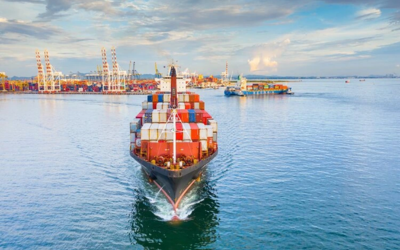
Every cargo shipment follows a route, and every route is shaped by geography. Oceans, seas, rivers, ports and strategic maritime passages influence how goods move across the world. For professionals working in shipping and logistics, understanding global shipping geography is essential for planning efficient and cost-effective cargo transportation.
The Online Course For Shipping Geography from Trade Wings Institute of Management introduces learners to the geographical aspects of the shipping industry. Whether you are planning a career in shipping, freight forwarding or logistics, this course helps you understand the waterways, ports and maritime routes that support international trade.
If you're looking for an Online Course For Shipping Geography, this online program provides a strong foundation in maritime geography and its importance in global cargo movement.
What Is Shipping Geography?
Shipping geography is the study of geographical features that influence maritime transportation and international trade. It examines oceans, seas, rivers, ports and shipping routes used for moving cargo between countries.
Professionals working in shipping, freight forwarding and logistics rely on this knowledge to understand vessel routes, transit times, port connectivity and the geographical challenges that can affect global trade.
A strong understanding of shipping geography enables professionals to make better operational and logistical decisions.
What Will You Learn in the Online Course For Shipping Geography?
The course introduces learners to the major geographical elements that shape the global shipping industry, including:
- Oceans and seas
- Inland seas and lakes
- Navigable rivers
- Strategic maritime passages
- International sea routes
- Major seaports
- River ports
- Maritime trade corridors
- Global cargo movement
- Port connectivity
- Geographic challenges in shipping
- Shipping industry terminology
These topics provide learners with a broader understanding of how geography influences international logistics and maritime transportation.
Why Is Shipping Geography Important?
Every shipping route is influenced by geography.
Freight movement depends on navigable waterways, port infrastructure and strategic maritime passages that connect global markets. Understanding these factors helps shipping professionals plan routes, estimate transit times and identify potential operational challenges.
Whether working in freight forwarding, logistics, shipping operations or international trade, geographical knowledge supports better planning and decision-making.
Who Should Take This Course?
This course is suitable for:
- Shipping industry professionals
- Freight forwarding professionals
- Logistics and supply chain professionals
- Import-export executives
- Maritime studies students
- Shipping and logistics graduates
- Professionals working in cargo operations
- Anyone interested in global maritime transportation
No previous experience in shipping geography is required to begin learning.
Career Opportunities in Shipping and Logistics
Knowledge of shipping geography is valuable across several industries, including:
- Shipping companies
- Freight forwarding firms
- International logistics companies
- Import-export organisations
- Port operations
- Supply chain management
- Maritime consulting
- Cargo planning and coordination
As international trade continues to expand, professionals with an understanding of shipping geography remain valuable contributors to efficient cargo movement.
Explore Related Logistics, Aviation and Tourism Courses
Shipping is only one part of today's integrated transportation network. Learners who want to understand how goods move by air can also explore Air Cargo Logistics Management Courses, which introduce airport cargo operations, air freight handling and cargo documentation. Together, shipping and air cargo knowledge provide a broader understanding of multimodal logistics.
Trade Wings Institute of Management also offers a wide range of Aviation Courses, covering airline management, airport operations, cargo handling and other aviation specialisations. These programs are ideal for learners interested in transportation and logistics across different modes of travel.
For those looking to diversify into the travel industry, the institute also offers Lifestyle Tourism courses that explore niche tourism segments and emerging travel experiences, helping learners broaden their knowledge beyond logistics and shipping.
Why Choose Trade Wings Institute of Management?
This course provides practical knowledge of the geographical foundations of international shipping and maritime trade.
Learners can:
- Understand global shipping geography
- Learn about major oceans, seas and waterways
- Explore strategic maritime passages
- Study important seaports and river ports
- Understand international shipping routes
- Build knowledge of global freight movement
- Study online at their own pace
- Earn a certificate after successful completion
Course Highlights
- Mode: Online
- Language: English
- Course Access: 3 Months
- Certificate: Yes
Frequently Asked Questions
What is the Online Course For Shipping Geography?
The Online Course For Shipping Geography introduces learners to the geographical aspects of maritime transportation, including oceans, seas, ports, rivers, shipping routes and strategic waterways used in international trade.
Who should enrol in this course?
The course is suitable for shipping professionals, freight forwarders, logistics executives, import-export professionals, maritime students and anyone interested in global shipping operations.
Do I need prior shipping experience?
No. This course is suitable for beginners as well as professionals who want to strengthen their understanding of maritime geography.
Why is shipping geography important?
Shipping geography helps professionals understand global trade routes, port connectivity, maritime passages and the geographical factors that influence cargo transportation and logistics planning.
Which courses complement shipping geography?
Learners interested in multimodal logistics can explore Air Cargo Logistics Management Courses and other Aviation Courses offered by Trade Wings Institute of Management. Those interested in the travel industry can also explore Lifestyle Tourism programs.
Does Trade Wings Institute of Management offer logistics and aviation courses?
Yes. Trade Wings Institute of Management offers online courses in shipping, logistics, freight forwarding, aviation, cargo management, airline operations, tourism and hospitality, helping learners develop industry-relevant skills across multiple sectors.
Learn the Geography That Powers Global Shipping
Behind every international shipment lies a network of oceans, ports, waterways and trade routes that keep global commerce moving. Understanding these geographical connections is essential for professionals working in shipping, logistics and international trade.
The Online Course For Shipping Geography from Trade Wings Institute of Management provides the knowledge needed to understand maritime geography and its role in global freight movement.
Enrol today and strengthen your understanding of the routes that connect the world's trade.